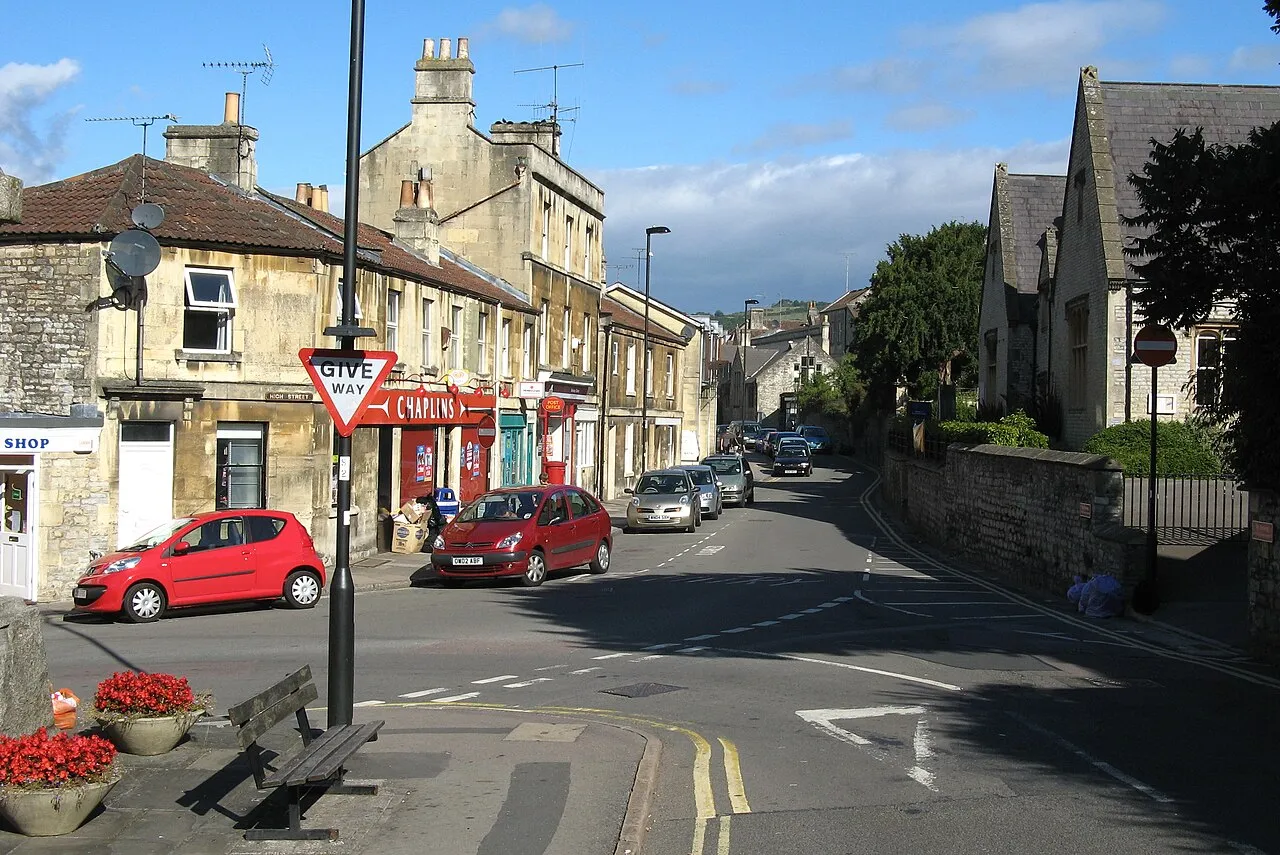
Weston is one of Bath's oldest satellite villages, predating the Georgian expansion. Properties along the High Street include stone-built cottages with walls up to two feet thick — built from the same Bath stone quarried at Combe Down. These walls need lime-wash and mineral silicate paints; modern acrylic emulsions trap moisture and cause the stone surface to spall and flake. We always assess whether your Weston property falls within the conservation area before recommending products.
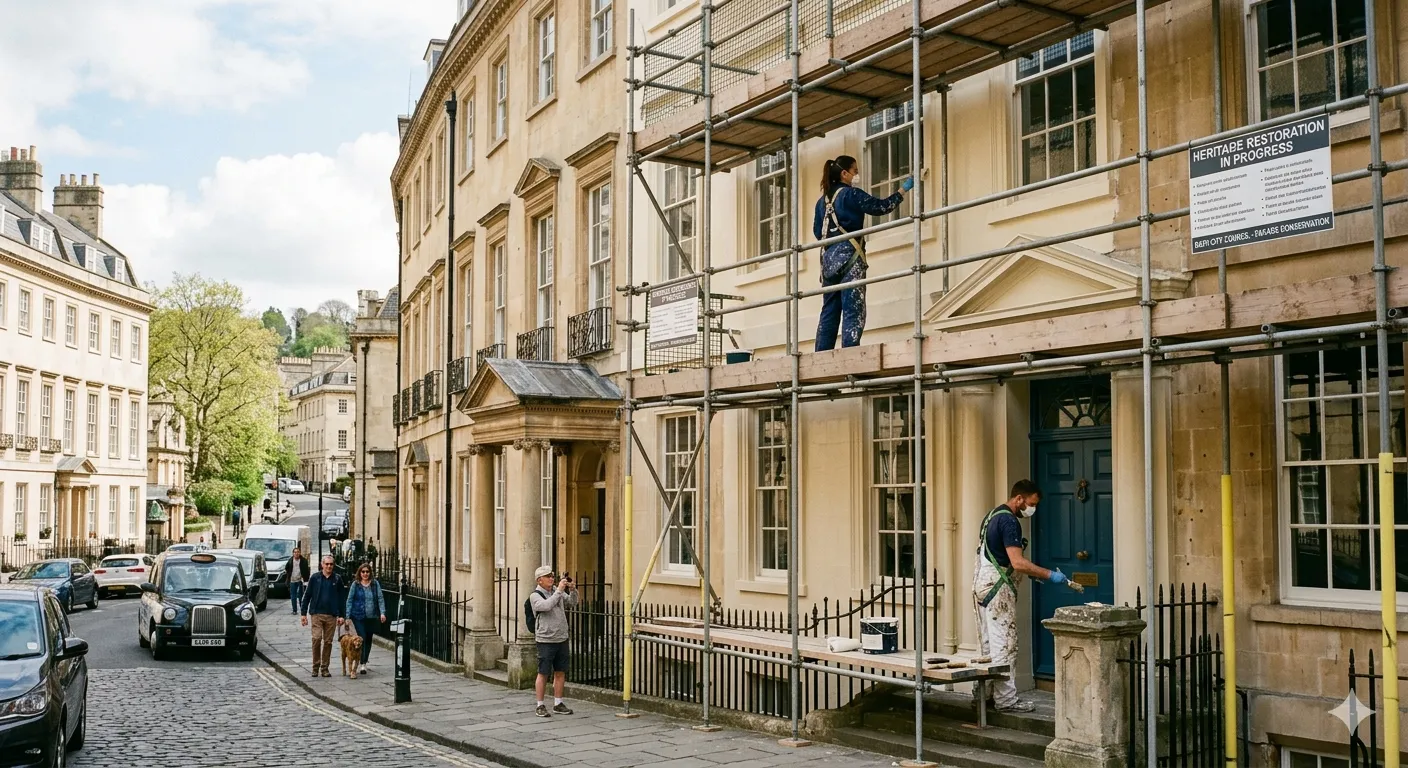
As Bath expanded westward in the Victorian era, substantial villas went up along Weston Park, Weston Lane and Granville Road. These properties typically have lime plaster on solid walls, ornate plaster cornices, ceiling roses and sliding sash windows. The western slope catches prevailing weather, and penetrating damp affects west-facing reception rooms after wet winters. We stabilise chalking stone, repoint lime mortar joints, and apply Keim or similar mineral paints that penetrate and consolidate rather than forming a surface film.
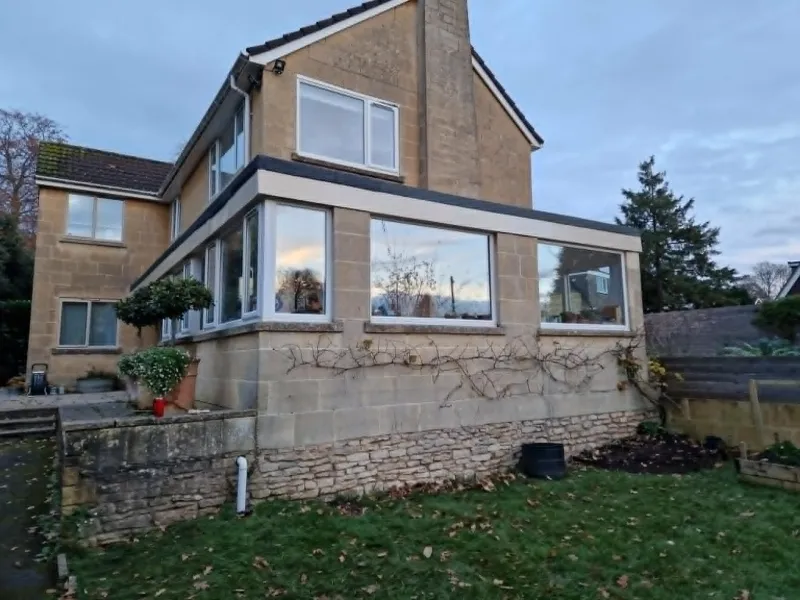
The post-war estates along Pinhill Lane and Cotswold Road are more straightforward — plasterboard interiors and rendered exteriors that respond well to modern paint systems. Even here, the exposed western position means external coatings need to be more durable than city-centre equivalents. Whether you live in a stone cottage near All Saints Church, a Victorian villa on Weston Park, or a family home on the modern estates, we are local, fully insured, and ready to quote.